What comes out
A prioritised set of audiences and the problem each one has.
I ran acquisition on a subscription product. Below is the planning that happened before anything was made, and then the work it produced, taken a few pieces at a time. The method underneath is the one I run on every build now, and it has its own page.
Pick one to jump to it, or keep scrolling and they arrive in order.
All six stages ran on this engagement before anything was shot.
Needs and market
Then look hard at the market it is selling into.
The four questions, on every project
What the business is trying to move, in its own words
Who the product is genuinely for and who it is not for
The distinct audiences worth separating rather than averaging
What each of them is already doing instead
What comes out
A prioritised set of audiences and the problem each one has.
The set it produced here

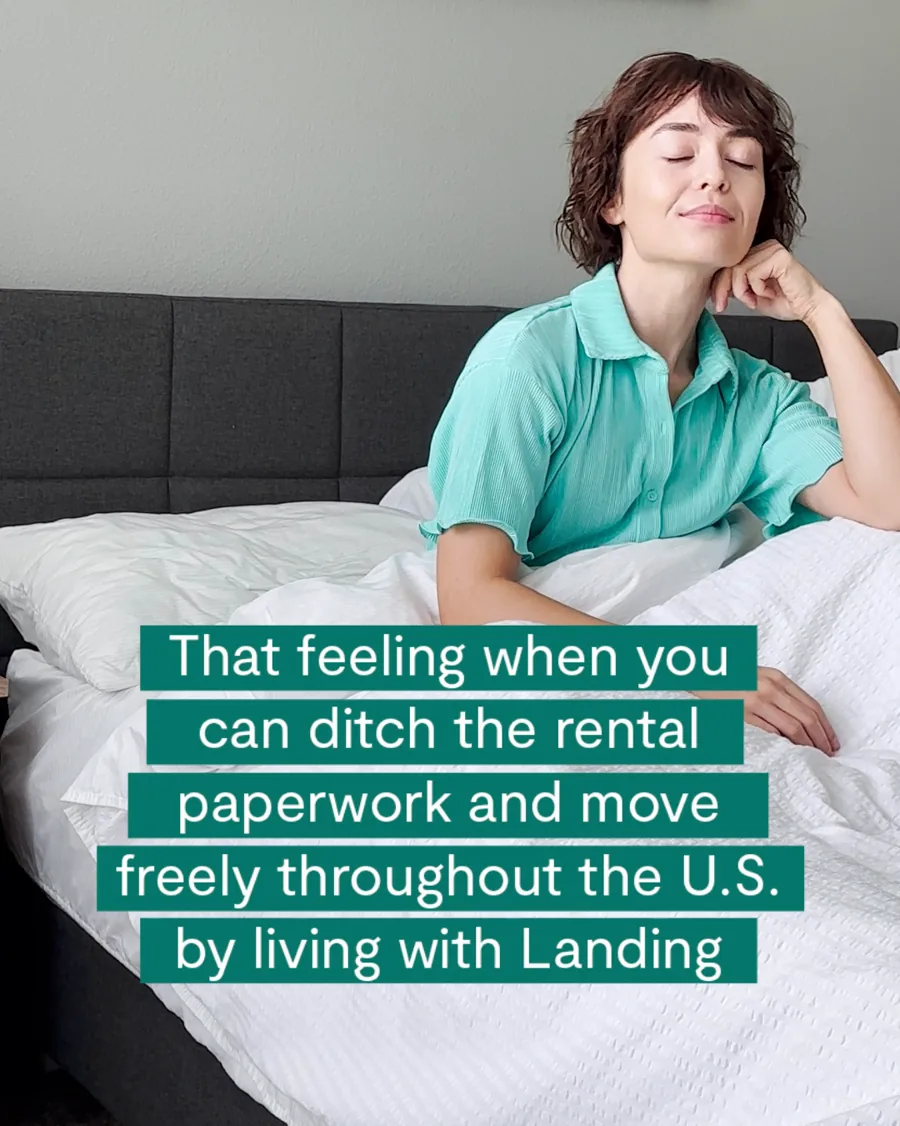
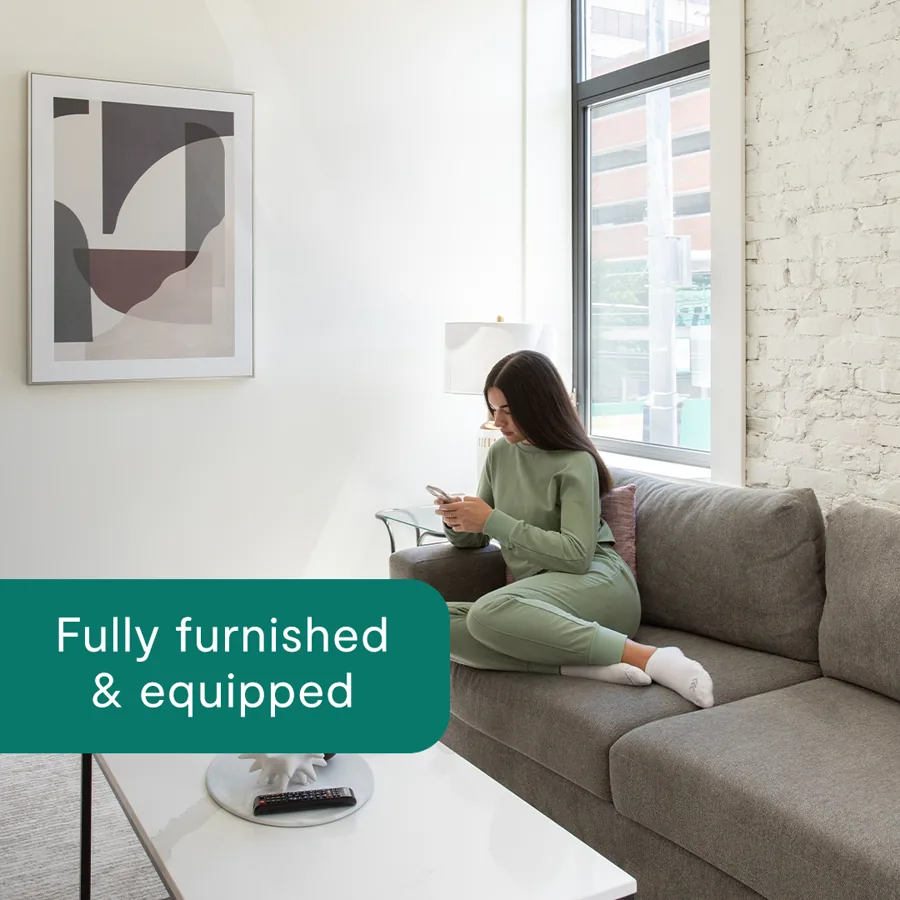
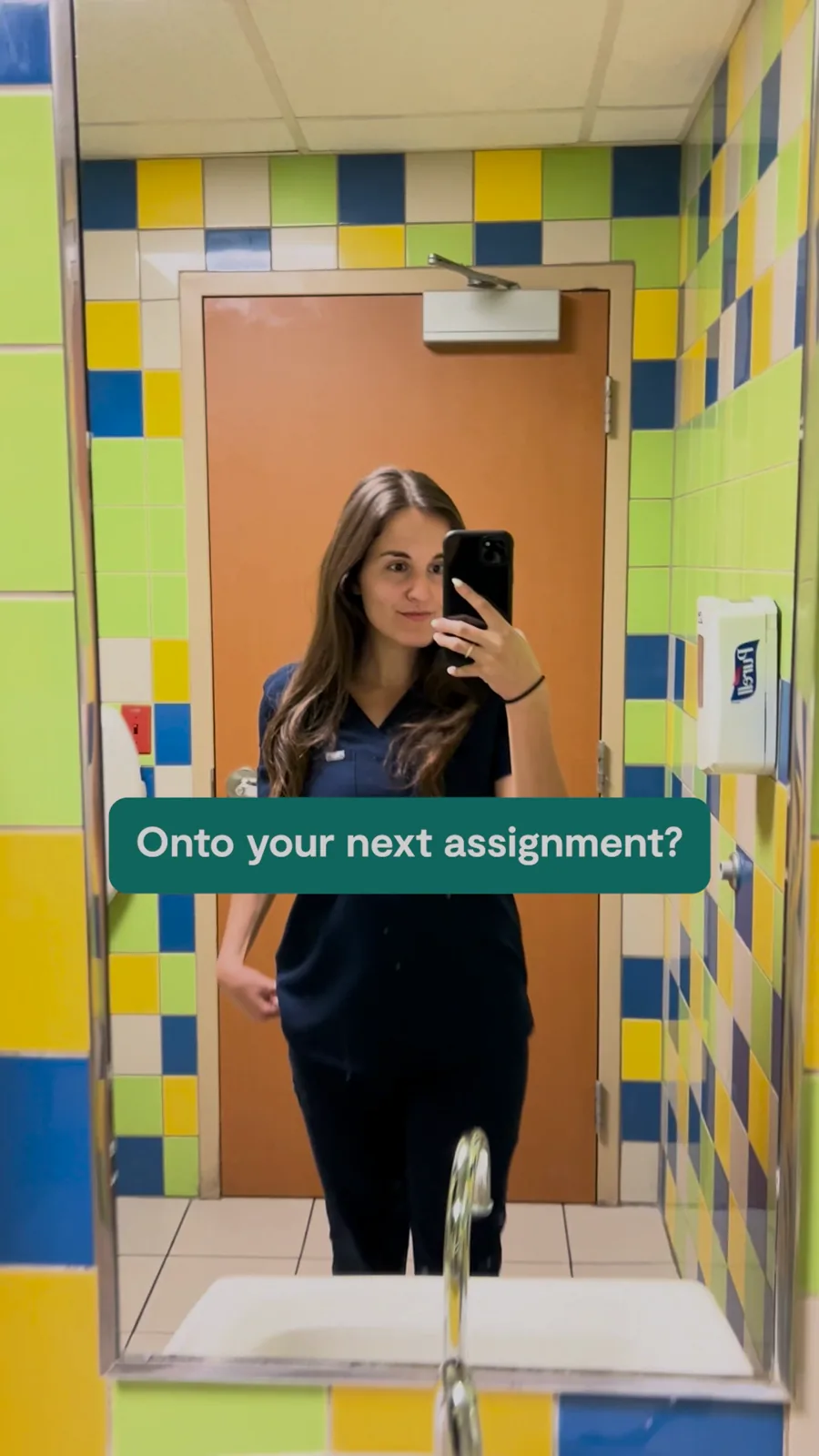
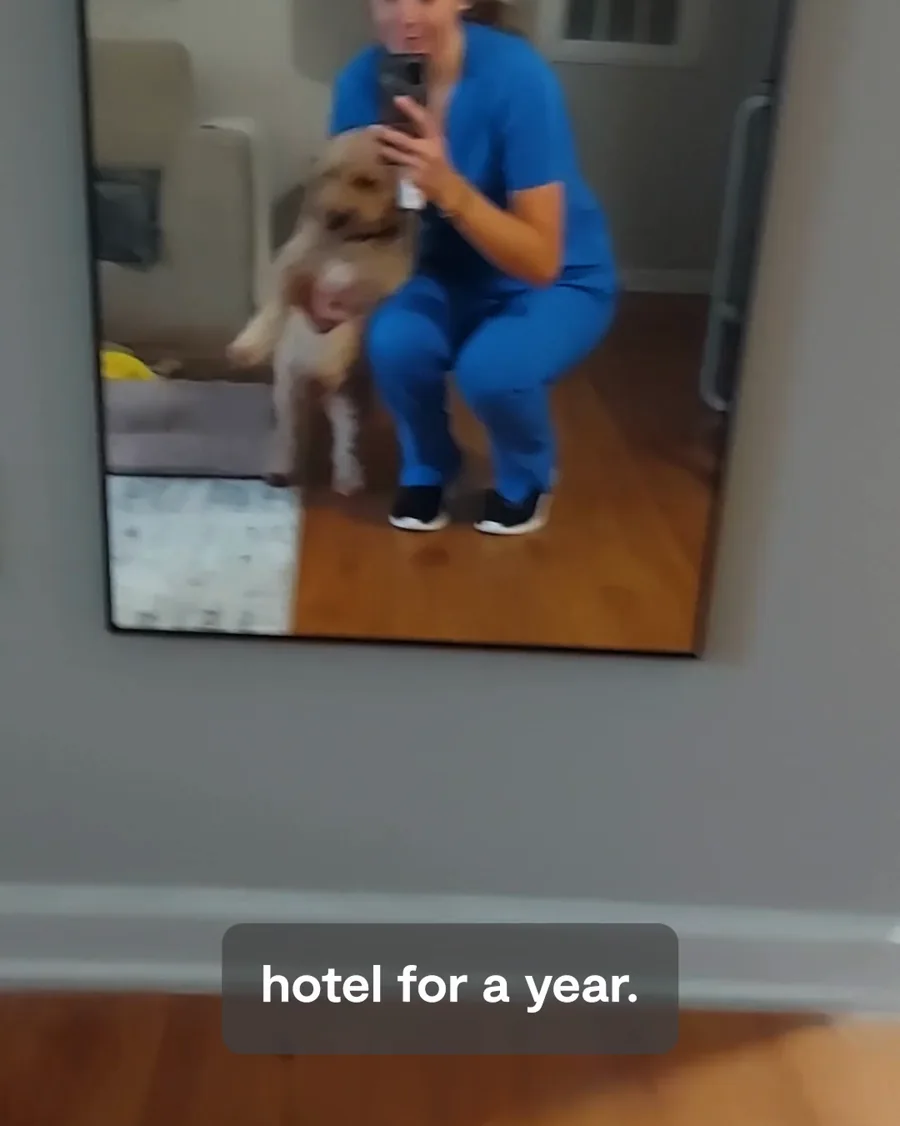
Opens on the end of a shift

Opens on work that moves around the country

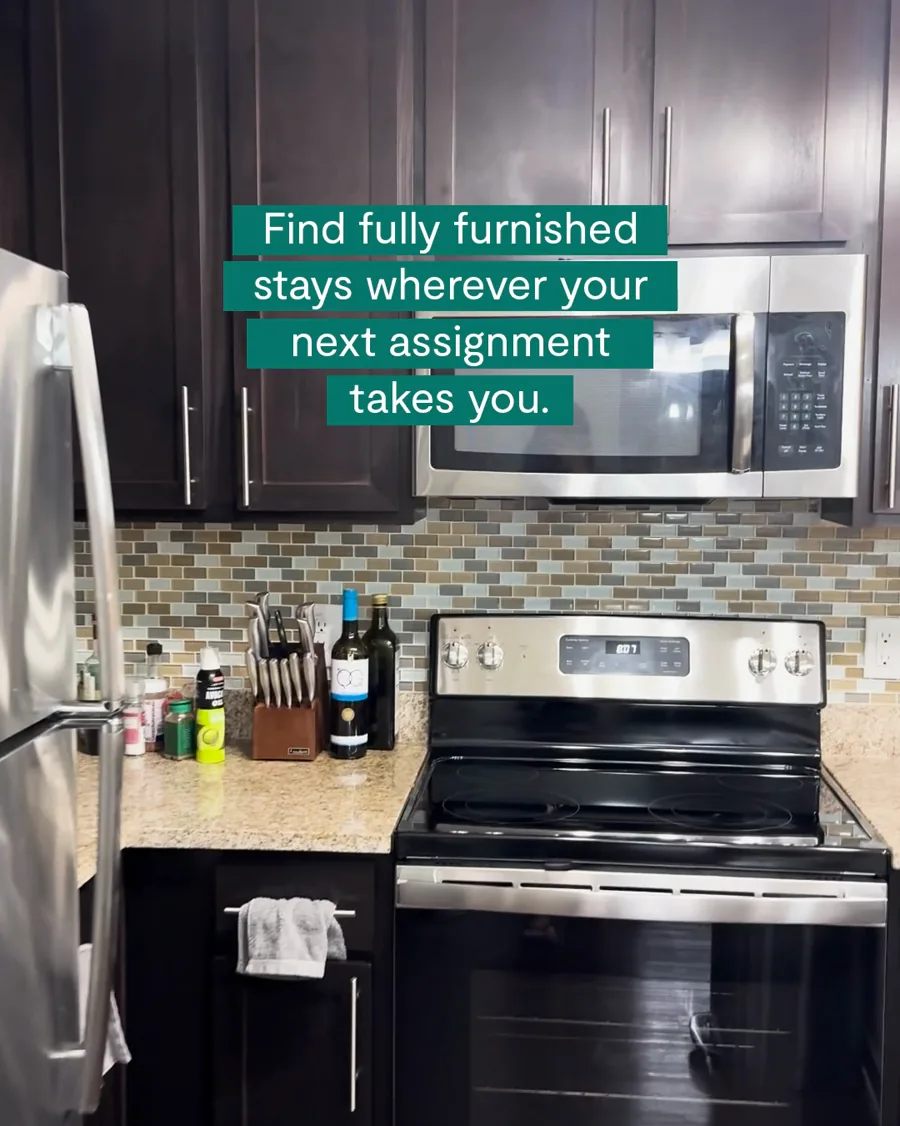
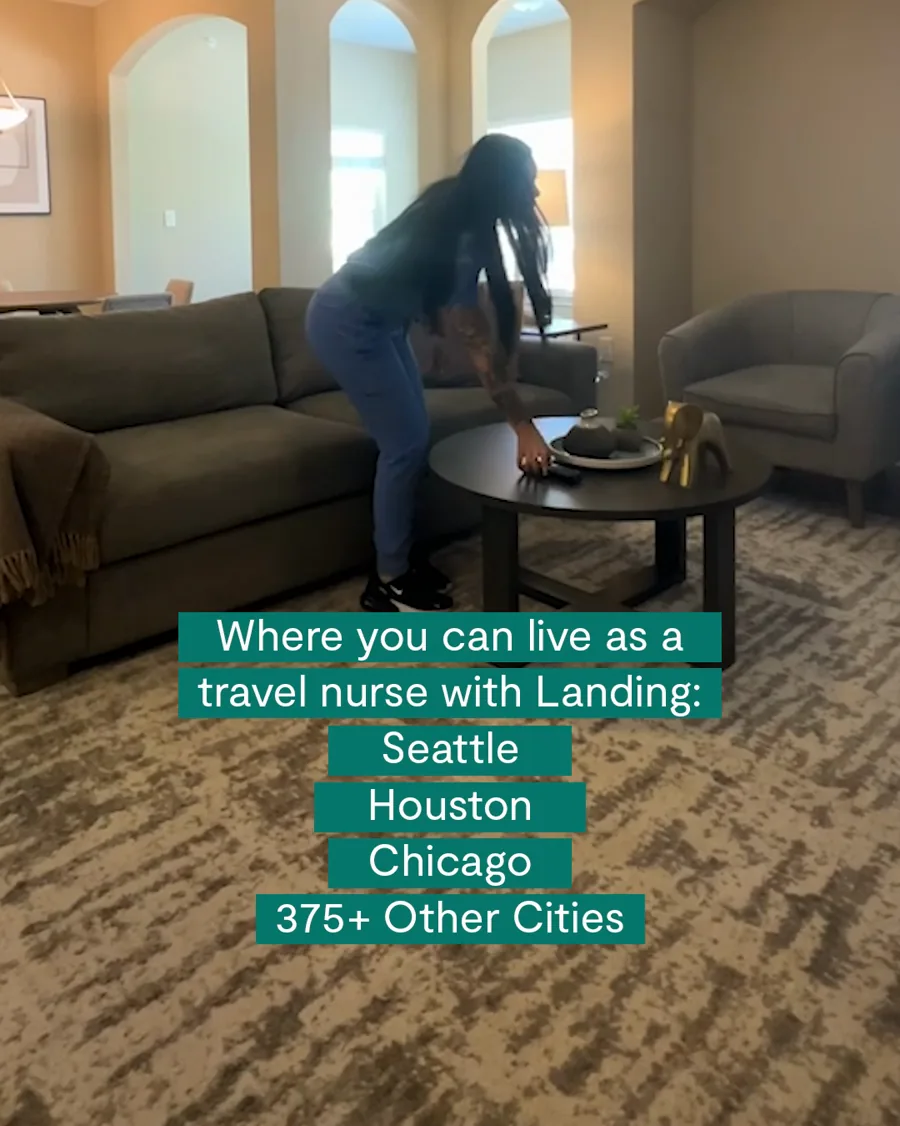
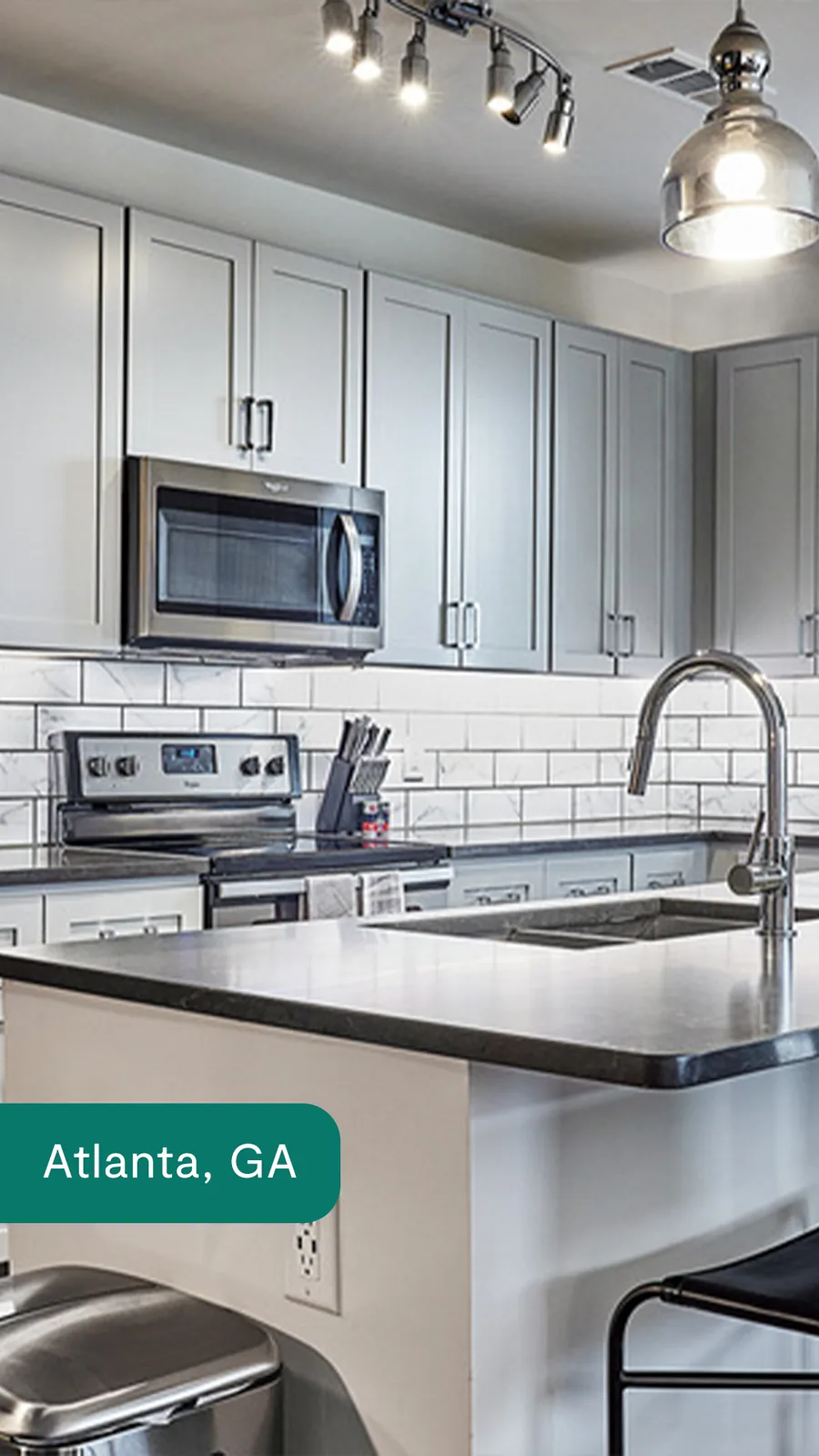
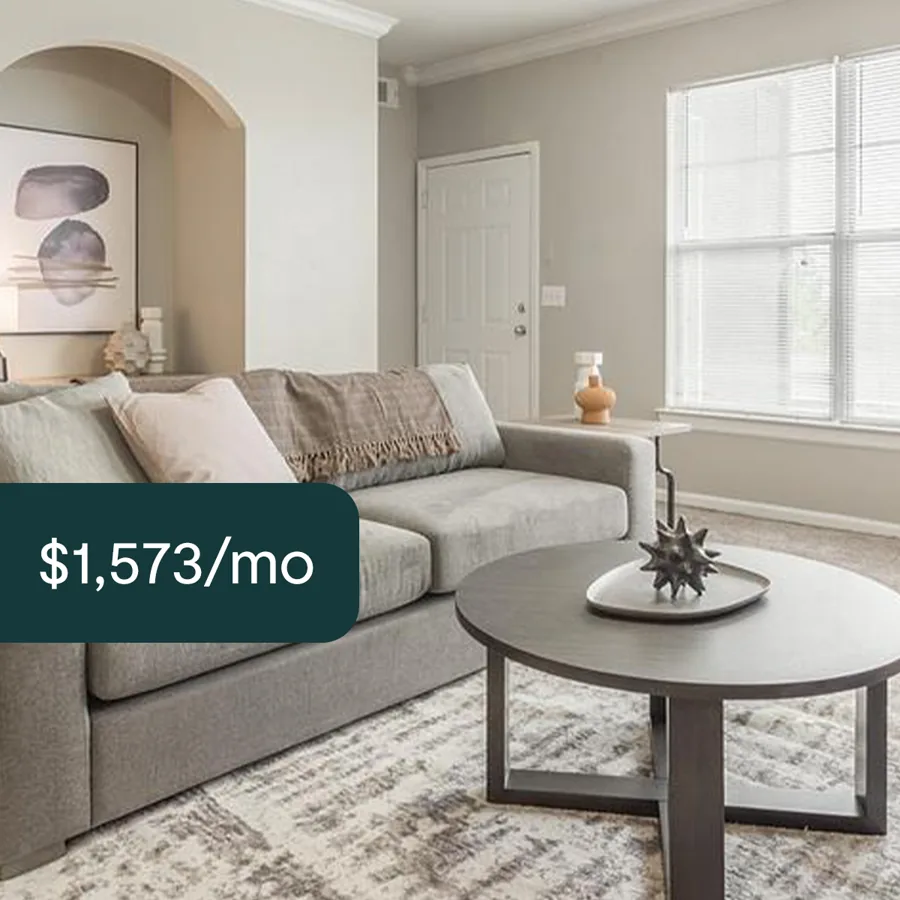
Opens on choosing between cities
Three separate audiences and none of the lines could swap places.
The same step before a buildThe same conversation before a system is specified: what the business needs, who uses it and what they do today instead.
Competitor and reference research
The work has to be unlike it on purpose and not by accident.
The scan, on every project
What the direct competitors are running and what they are claiming
What the category has trained the audience to expect
Reference collected from outside the category. That is where the good ideas usually are
The conventions worth keeping and the ones worth breaking on purpose
What comes out
A read on the category and a shortlist of what to avoid looking like.
The same step before a buildThe same sweep before I design an interface: what the incumbents do, what users already expect and where the convention is worth refusing.
The innovation
This is the stage that cannot be delegated and the one everything downstream is spent on.
One concept, as it is written
The name
The audience
The angle
The reason to exist
The labour inside the stage
A new way to show the product that has not run before
The angle for each audience, mapped to the problem it answers
Ideas argued with while they are still cheap to kill
The concept named so it can be tracked and beaten later
What comes out
Named concepts, each with an audience, an angle and a reason to exist.
The same step before a buildThe feature itself. What it does that nothing else does, named and specified before anyone builds it.
Storyboard and production
This happens before anything is shot.
What this stage produced: the plan, and the piece that came out of it
Hook
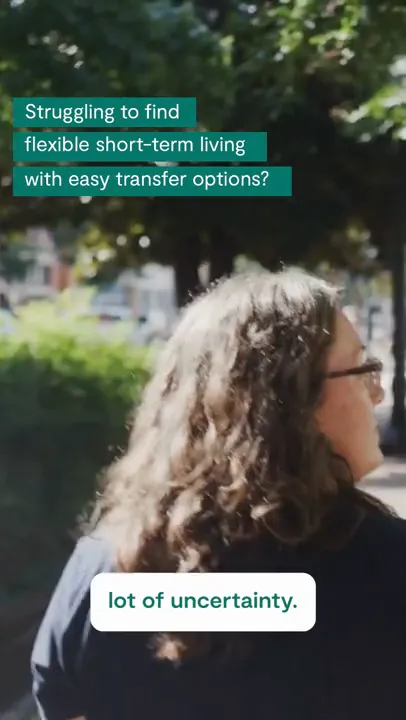
Name the worry before selling anything.
Product intro
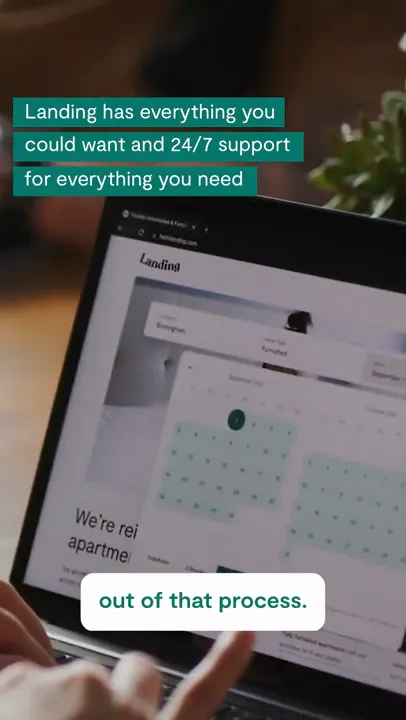
Show that an answer exists.
Value prop one
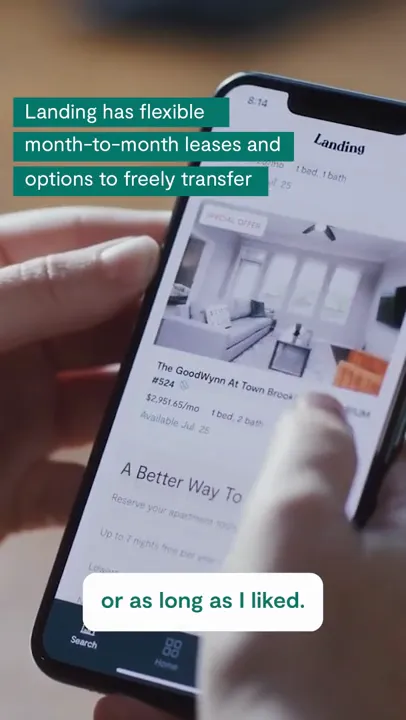
Answer the objection that stops most people.
Value prop two
Show what they stop worrying about.
Value prop three
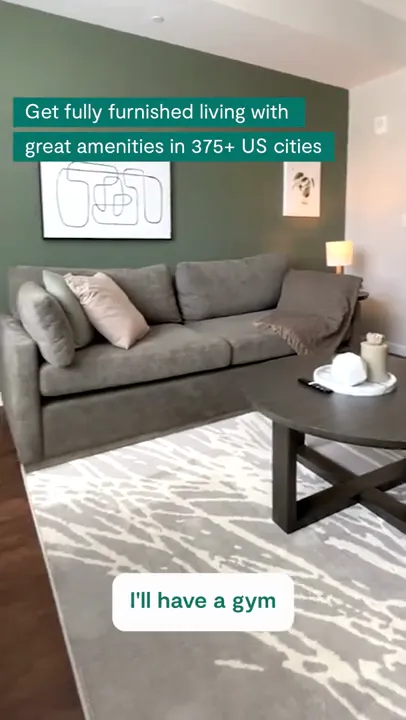
Give a reason to trust the scale.
Call to action
Ask once, plainly.


The top row is what was written before anything was shot. The bottom row is a finished piece sampled at those same six marks. They line up because the plan was specific enough to shoot from, which is the only test of a storyboard that matters. This is the same document I write before I build a feature, and it is the clearest evidence on the page that the framework was running back then rather than being described now.
The same step before a buildThe build spec: states, edge cases, copy and the order a person meets them in, written before the first component.
Variations
One idea, composed twice


Never resized. The square sits its frames beside each other and the upright stacks them.
The labour inside the stage
The same idea composed for each placement, never resized into it
Length cuts that are different edits rather than trims
The one variable changed at a time so a result can be read
Enough versions that the test has something to say
What comes out
A set where every difference is deliberate and therefore legible.
The same step before a buildThe same discipline in a build. One change per release where it matters so I can tell what caused what.
Champions
Then feed it into the next idea instead of filing it.
What actually performed and the version it beat
Why it won, separated from why it was expected to
The winner promoted into the next round as the thing to beat


What the result changes about the concept and occasionally about the audience read
What comes out
A champion and a sharper brief for the next pass.
The same step before a buildShip, read, iterate. The release informs the next spec and the loop is the same loop.
The first four chapters are the concepts. Each chapter is one problem and the routes I took into it. The last two show the storyboard discipline and the variations discipline on finished pieces.
Chapter one
At the top of the funnel nobody has agreed to listen yet. None of these opens by explaining. Each one takes a different route into the same problem. One names it outright. One refuses to look like an ad at all. One offers a list and one opens by telling you what is wrong with the thing it is selling.
Upright, 31 seconds
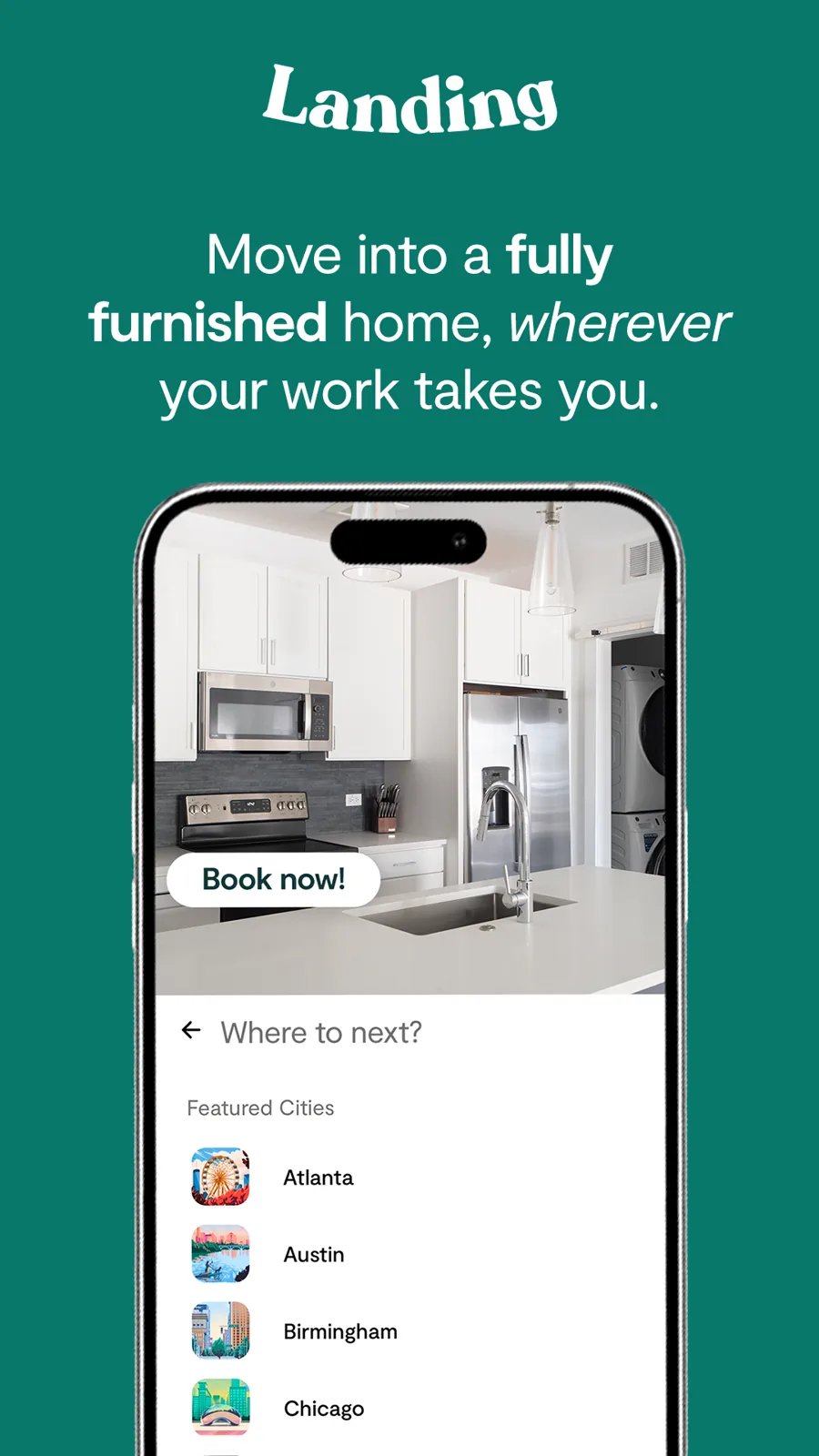
Names the problem in the first line and moves to the booking screen before the sentence has finished. I wanted the product to arrive as the answer to the complaint rather than after it.
Upright, 34 seconds
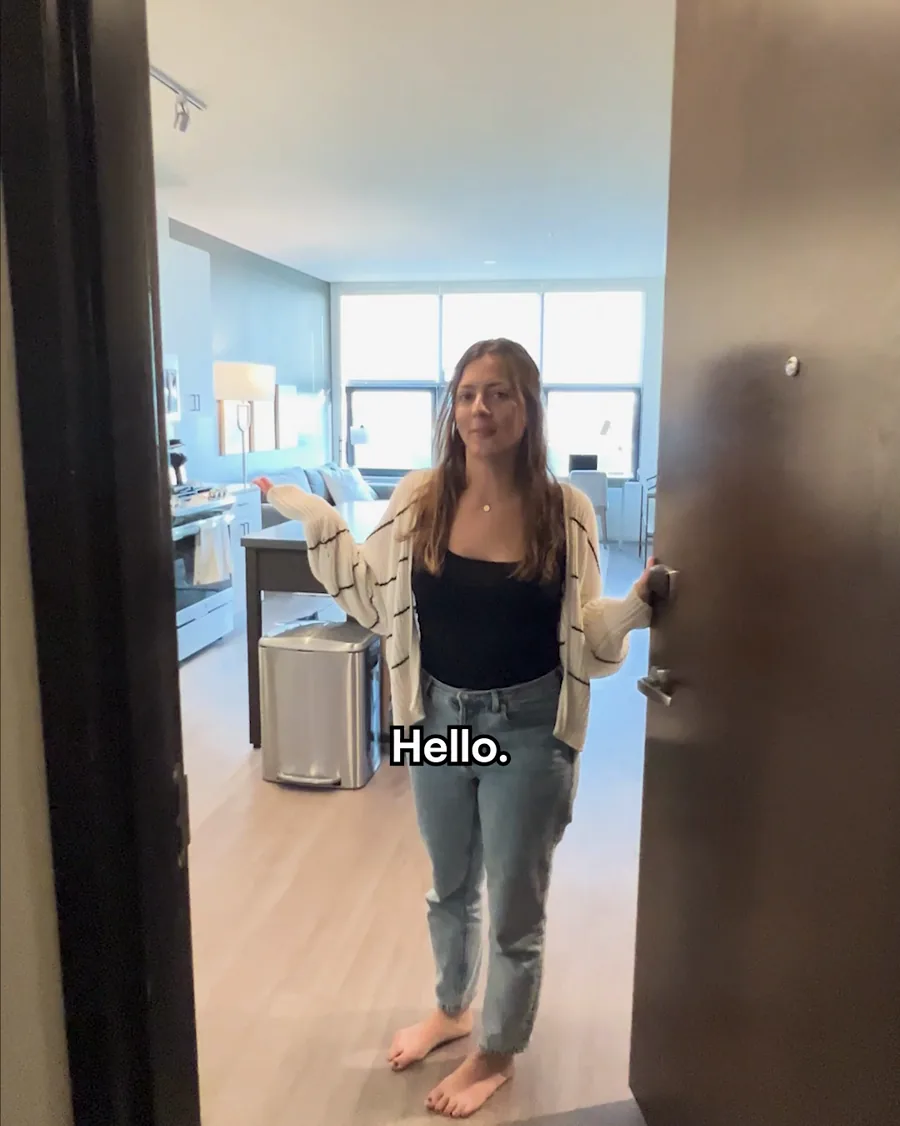
A day in the life, told in ordinary moments. It is shot like an ordinary day so it does not read as an ad. The product shows up as the reason the day is calm and never as the subject.
Portrait, 22 seconds
A list piece. Several small reasons and each one gets its own frame. It is made for somebody already interested who wants more of them instead of one argument.
Upright, 41 seconds
This one opens on the reasons not to. It runs the downsides of a place before it says anything positive. I did that so the viewer stops arguing with it. By the time the case for the place arrives there is nothing left to push against.
Chapter two
Once somebody is paying attention the problem changes. Now the piece has to be believed. Two of these hand the argument to a person and two hand it to the product. Which one carries it was the first decision I made on every concept.
Upright, 40 seconds
A remote worker talking to camera. The room behind him carries the second half of the argument. The captions do the work so it still lands with the sound off, which is how most of it was watched.
Portrait, 35 seconds
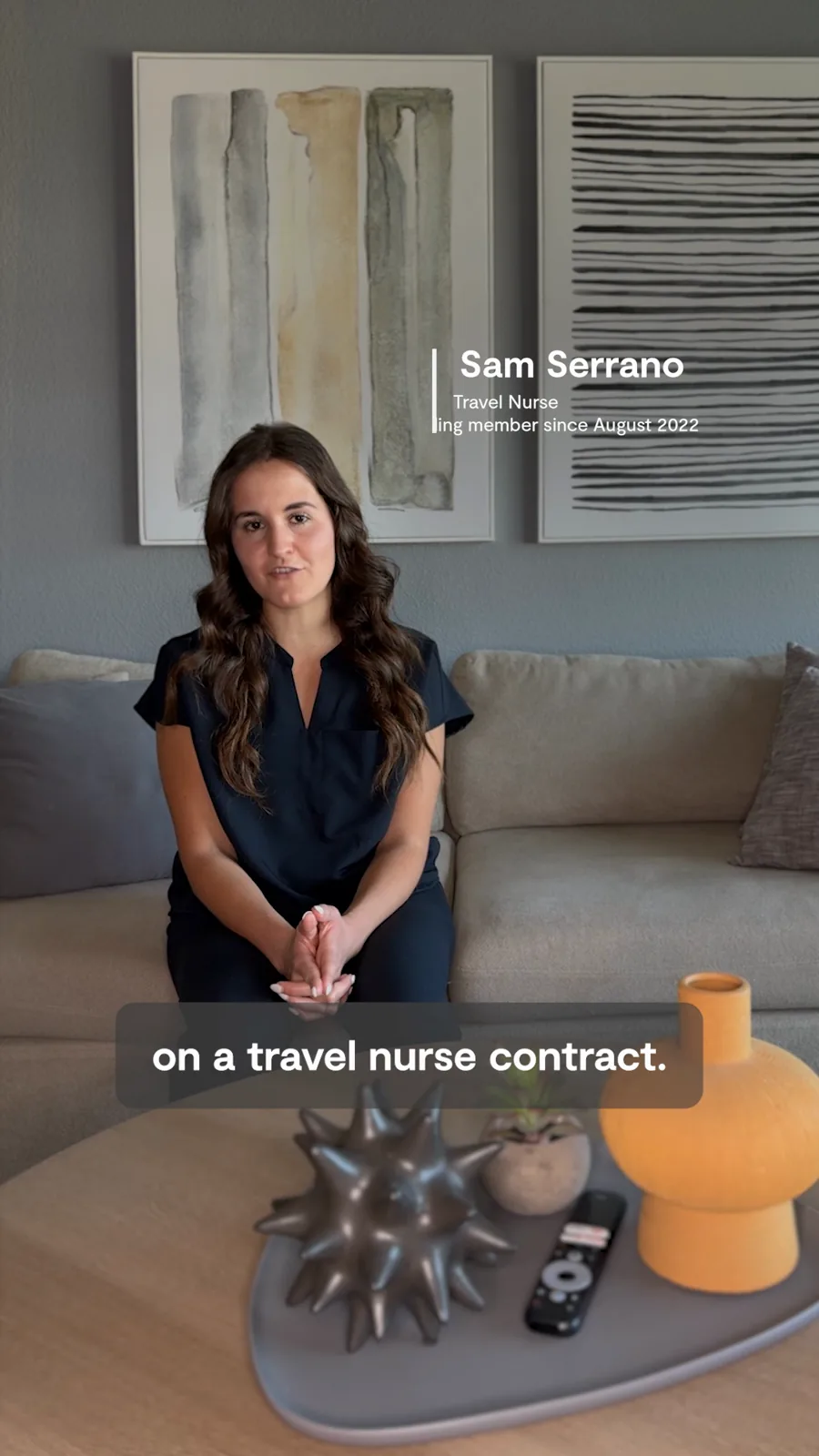
A named member, in uniform, in his own place. The credibility comes from how specific he is. I kept the edit out of the way and let him finish his sentences.
Upright, 30 seconds
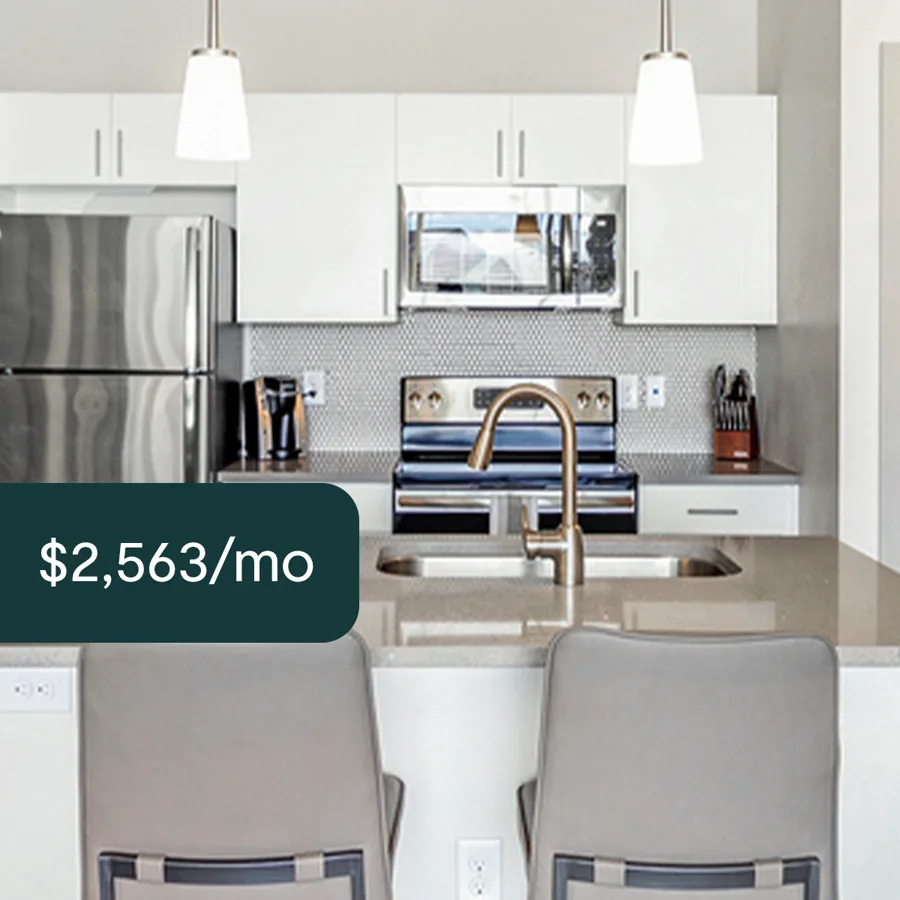
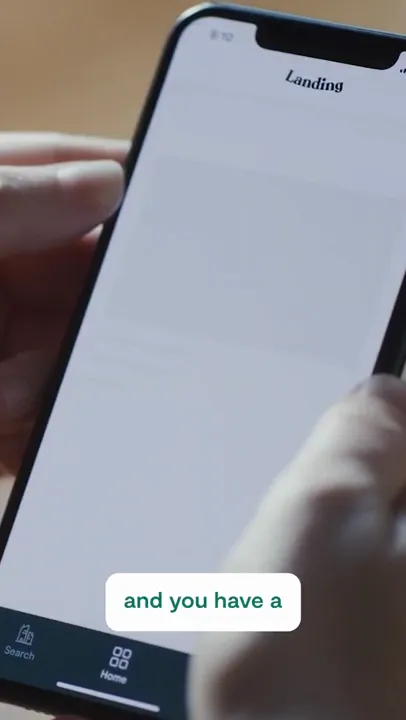
The real search interface, moving. No mock up and no device frame. The quickest way to answer what is this is to show it working.
Upright, 34 seconds
Led by the screen and not by a face. The search happens on a laptop in a real room. The product is demonstrated and the life around it is shown at the same time.
Chapter three
None of these four argues in its own voice. Two borrow a masthead. One borrows the competitor’s own price and one borrows a customer. Each of them has to follow the borrowed line with proof of its own. That follow through is the thing to watch.
Portrait, 21 seconds
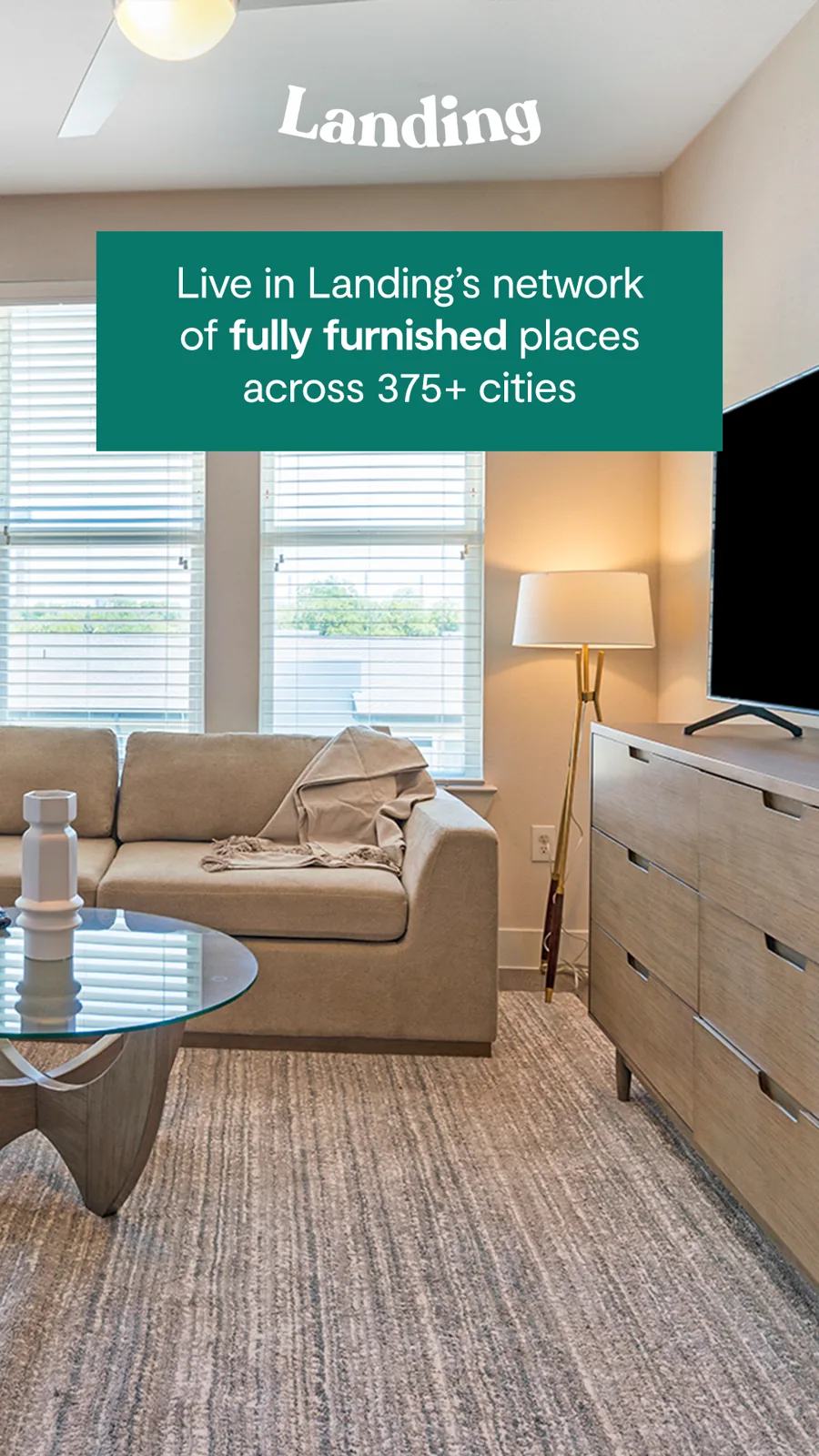
Opens on a press quote over a building shot. The rest of its length is plain capability: where it reaches, what is in it, what the terms are. I opened on the quote so a viewer stays long enough to meet the specifics.
Upright, 20 seconds
Same opening move, different follow through. It goes straight to the product in a hand and then to the thing the quote implied. It follows its quote with a demonstration where the piece above follows its own with a list.
Portrait, 23 seconds
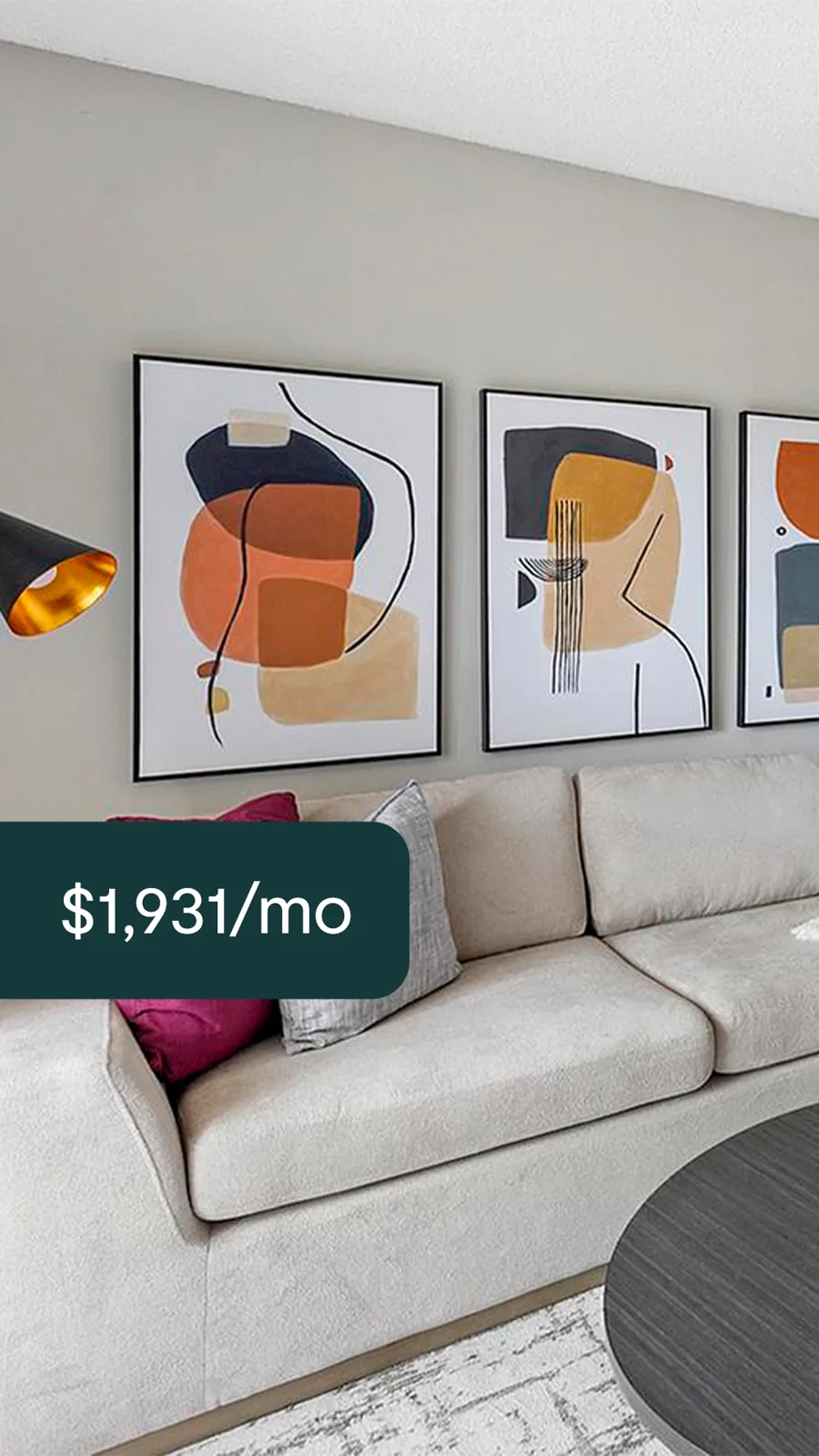
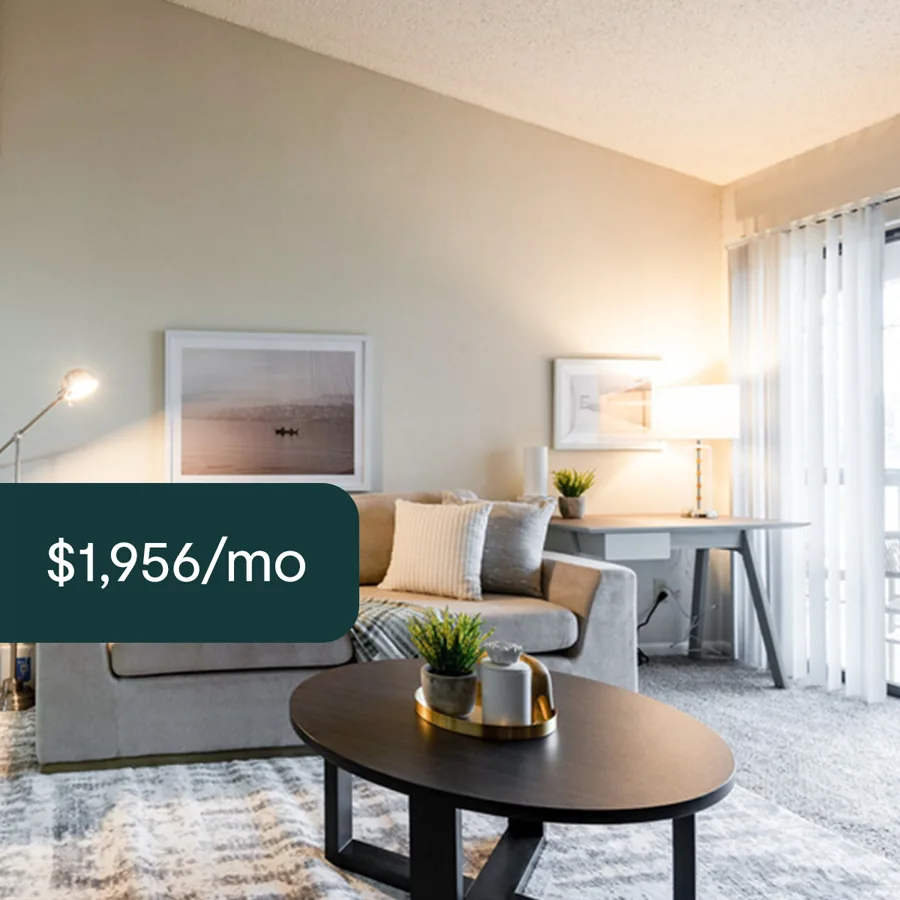
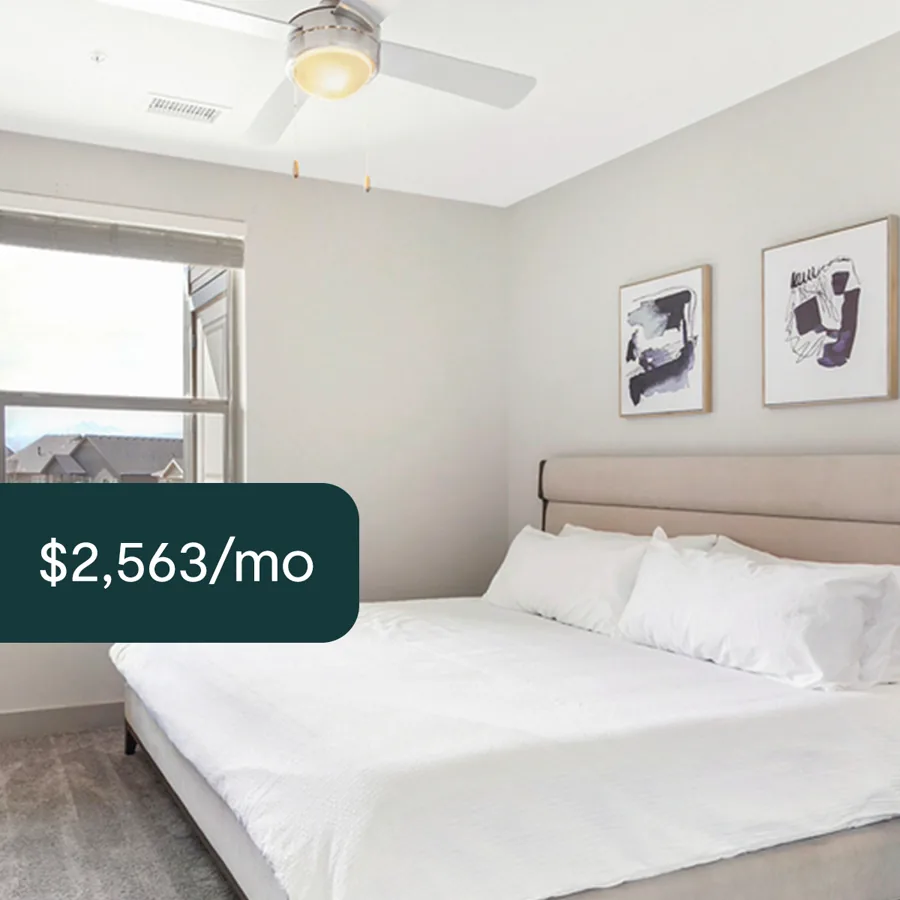
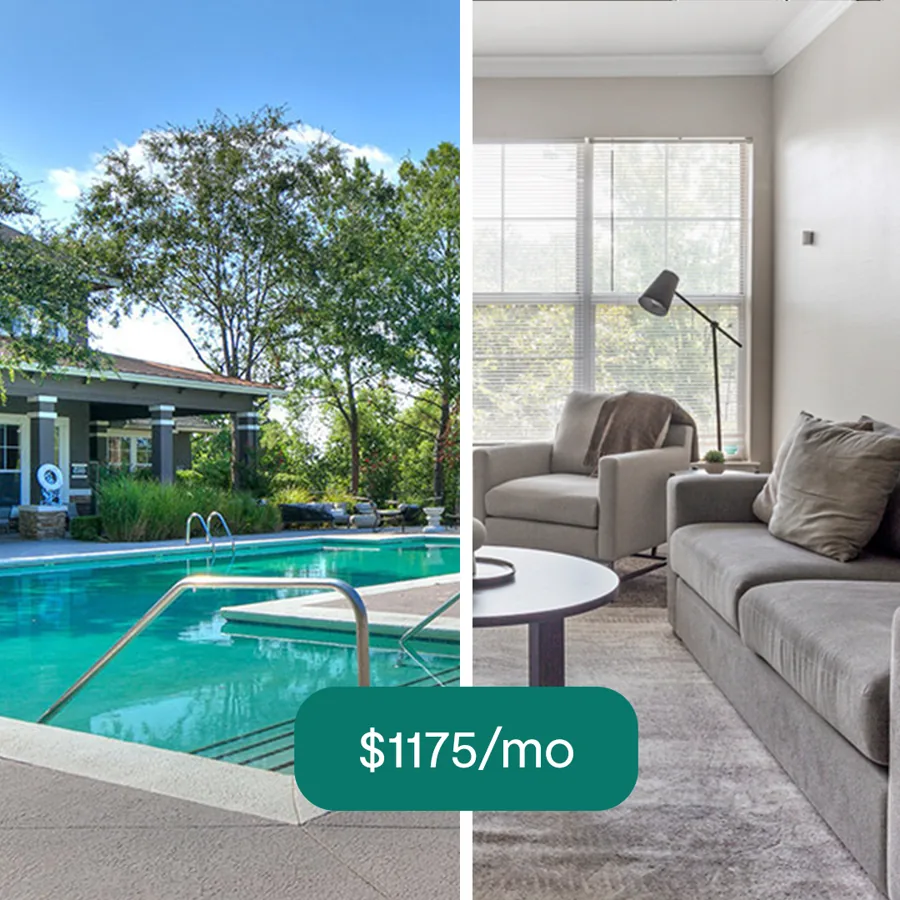
Two prices side by side in the first second. Then the rooms that justify the smaller one. Leading with a comparison invites the viewer to check it. That only works when the follow through is real footage of what is included.
Portrait, 35 seconds
A member saying it in her own room, captions carrying it for a viewer with the sound off. She is specific about when it started working. Specificity from a person is worth more than any line I could write for her.
Chapter four
Each of these takes a line that would have been a caption and makes it something you watch happen. One asks a question before it explains anything. The other two walk you through the thing itself instead of describing it.
Upright, 26 seconds
A quiz that makes you answer before it explains anything. A person who has answered a question is paying attention by the time the explanation arrives.
Upright, 35 seconds
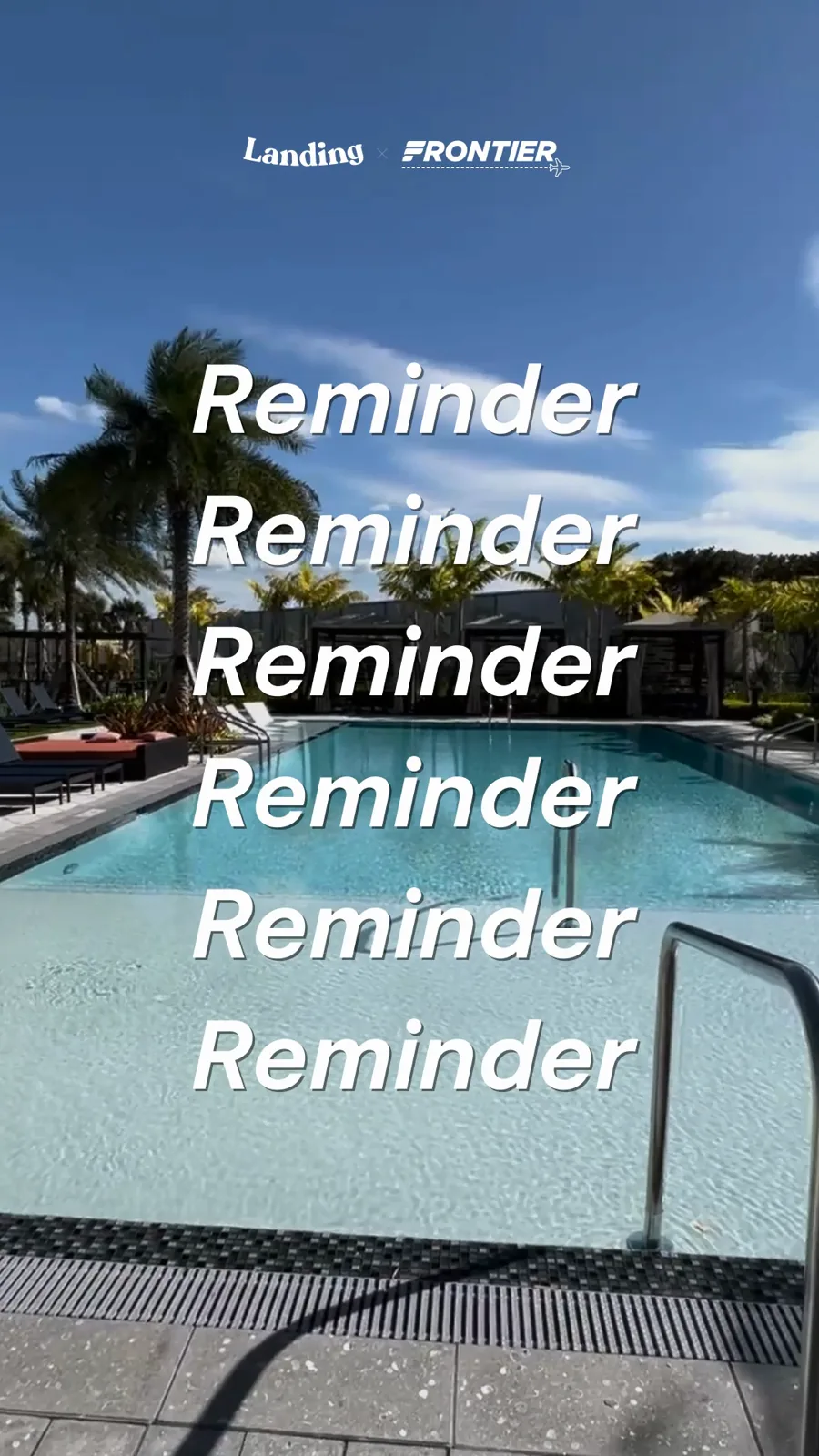
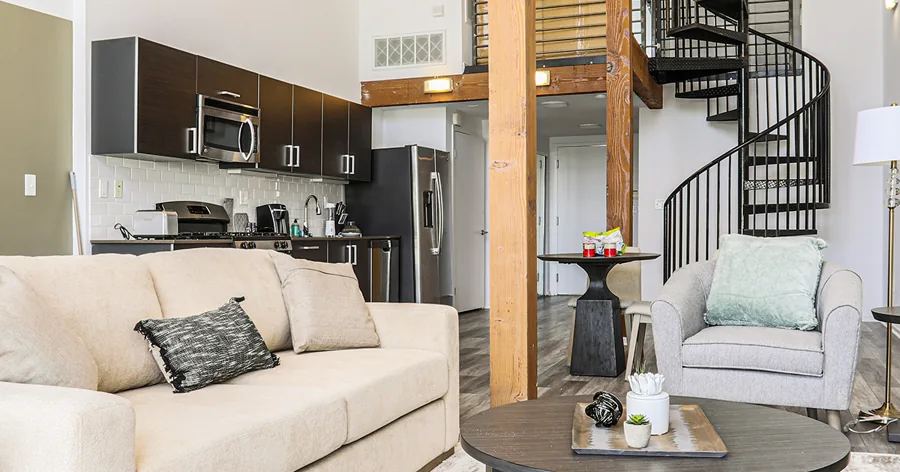
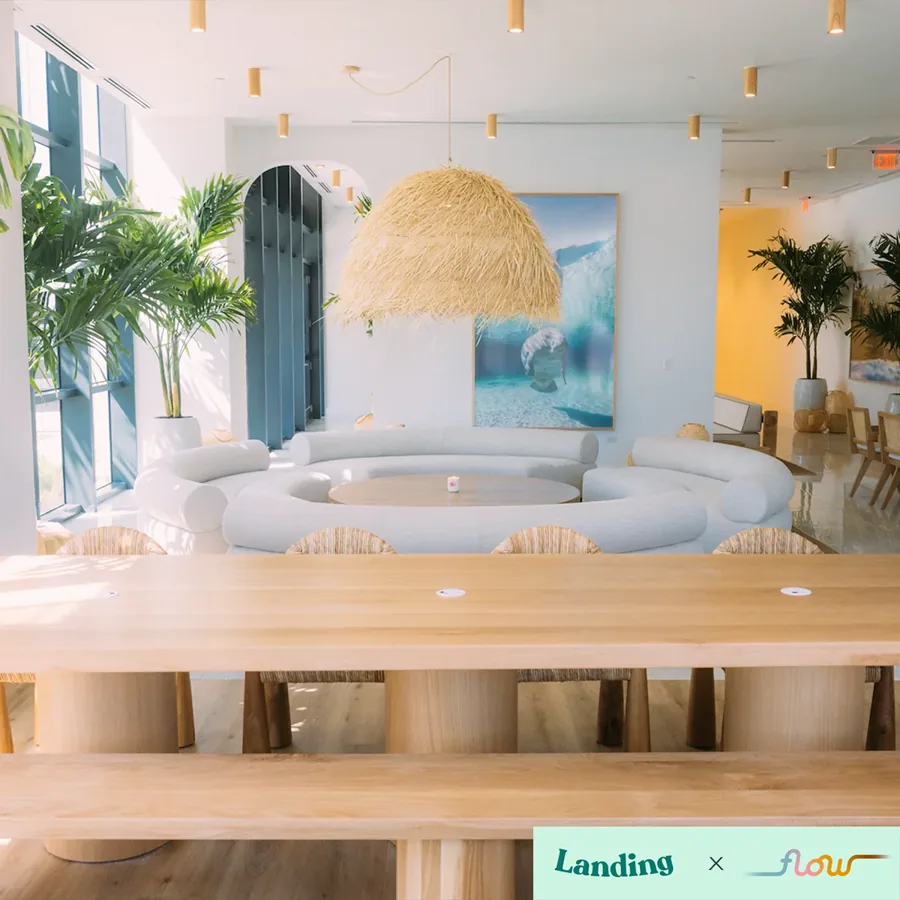
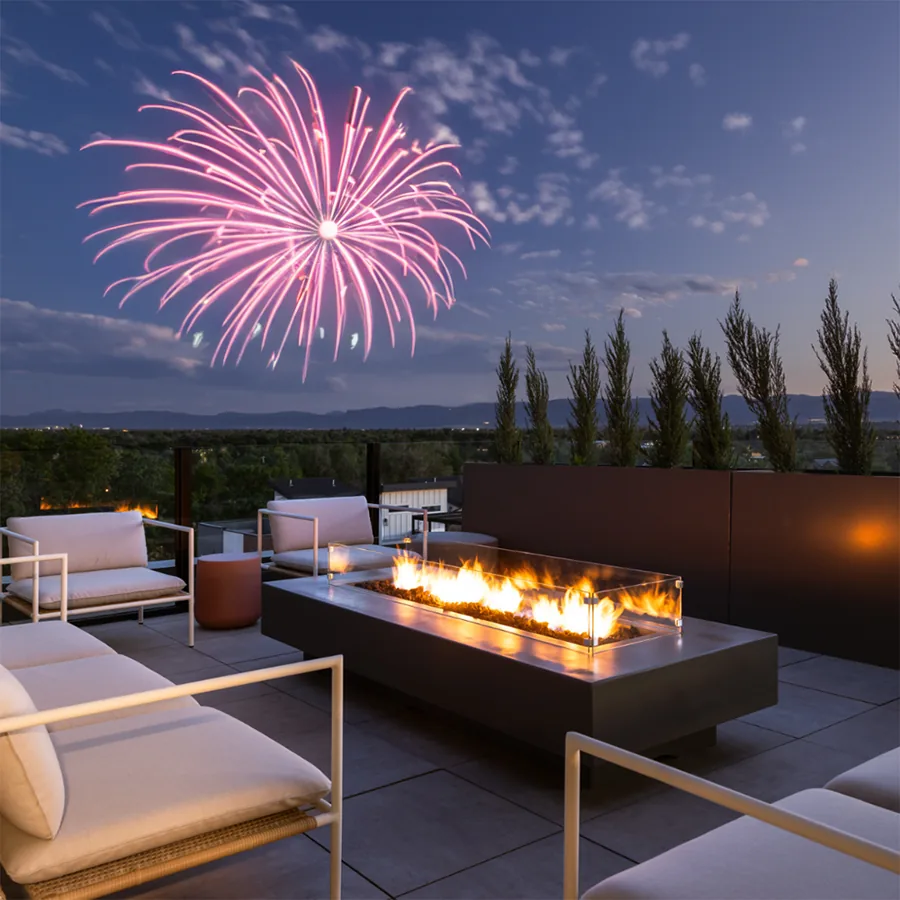
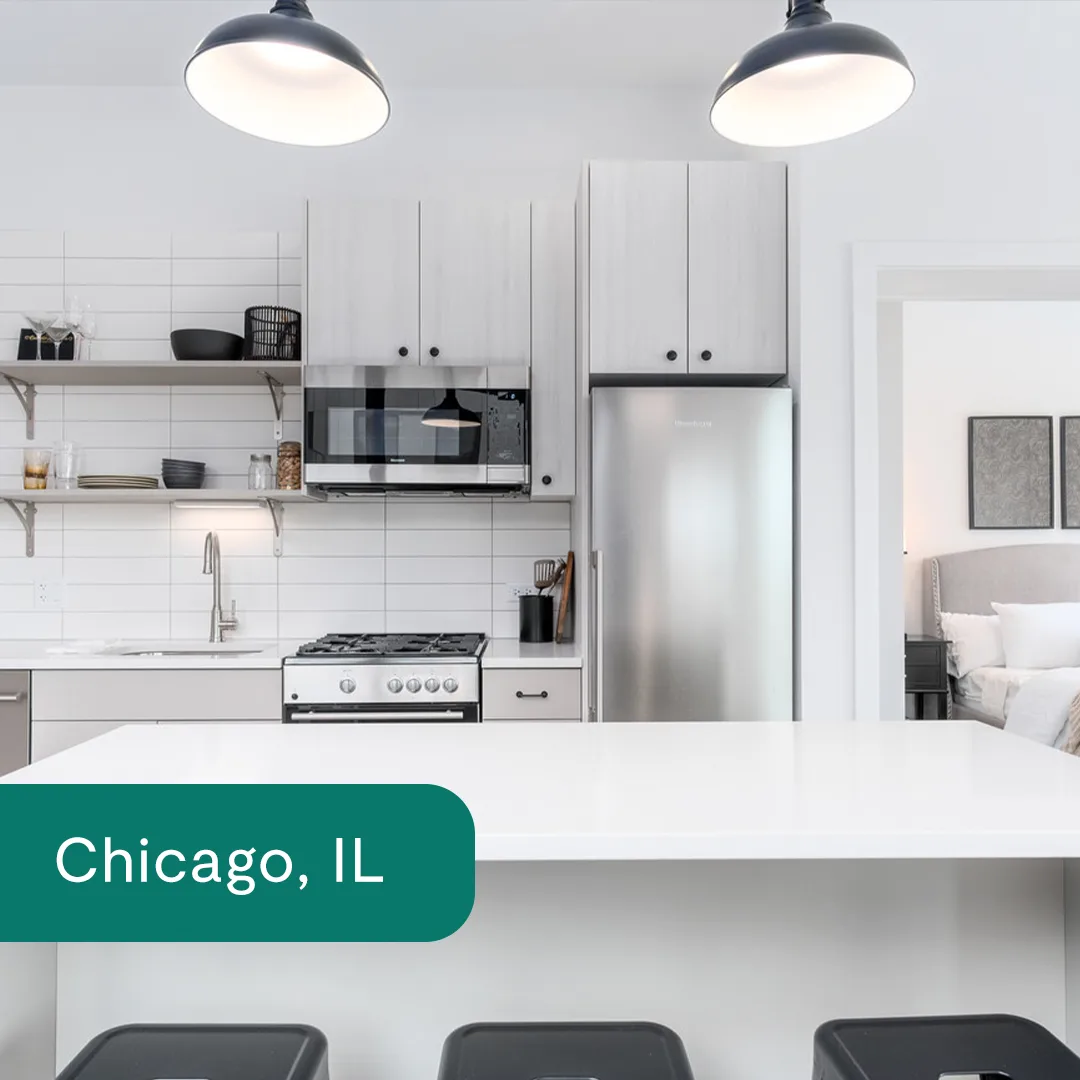
The amenities are shown and not listed. Each space is held long enough to read as somewhere you would actually be. The only instruction comes at the end.
Portrait, 20 seconds
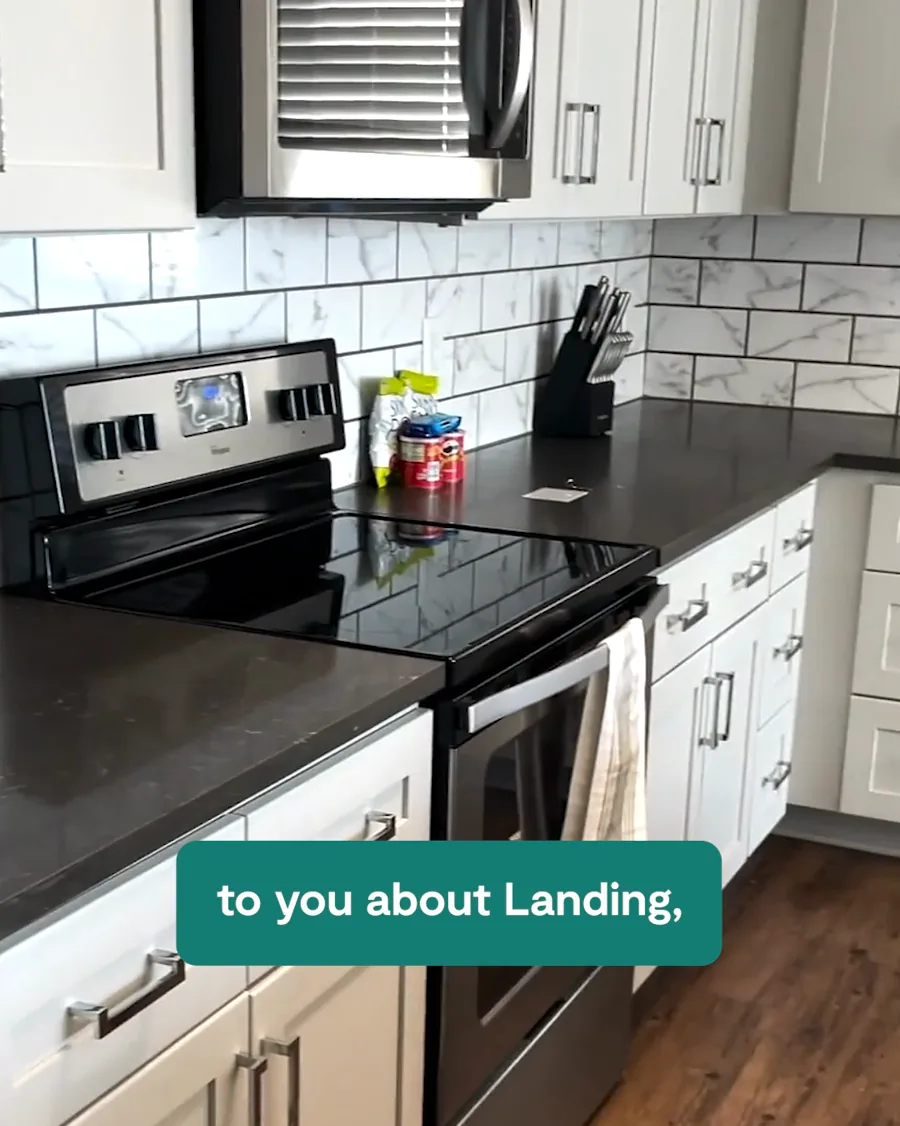
The same claim as the testimonial above, with nobody in it. Rooms, a building, a transfer and text doing the arguing. It runs shorter because it never waits for anyone to finish a sentence. That is exactly when I reach for this version.
Chapter five
A swipe set only works if every card gives somebody a reason to move to the next one. This one opens on who it is for. Three cards show the product is real in places a buyer might go. It asks for something only at the end.



Chapter six
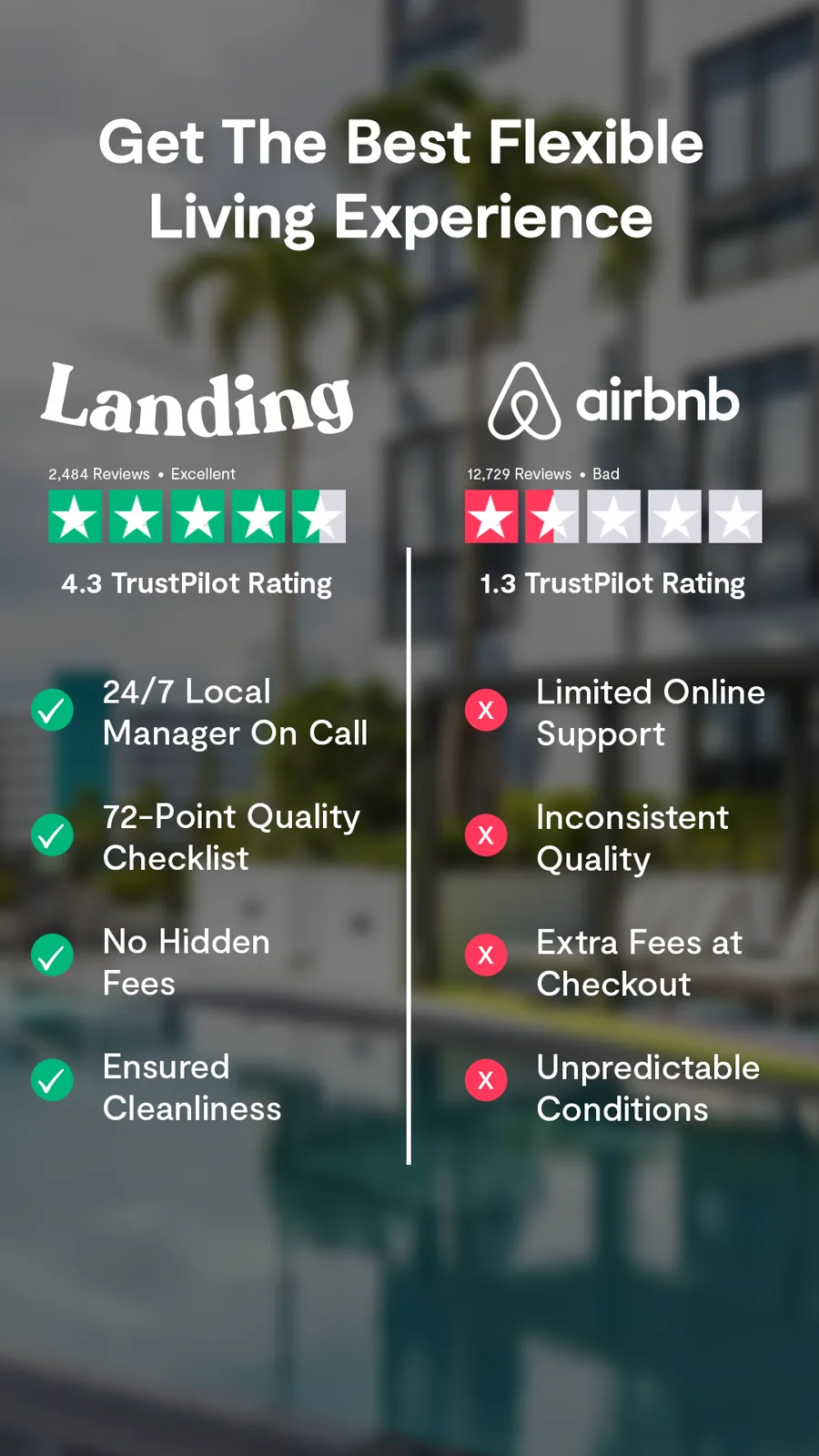
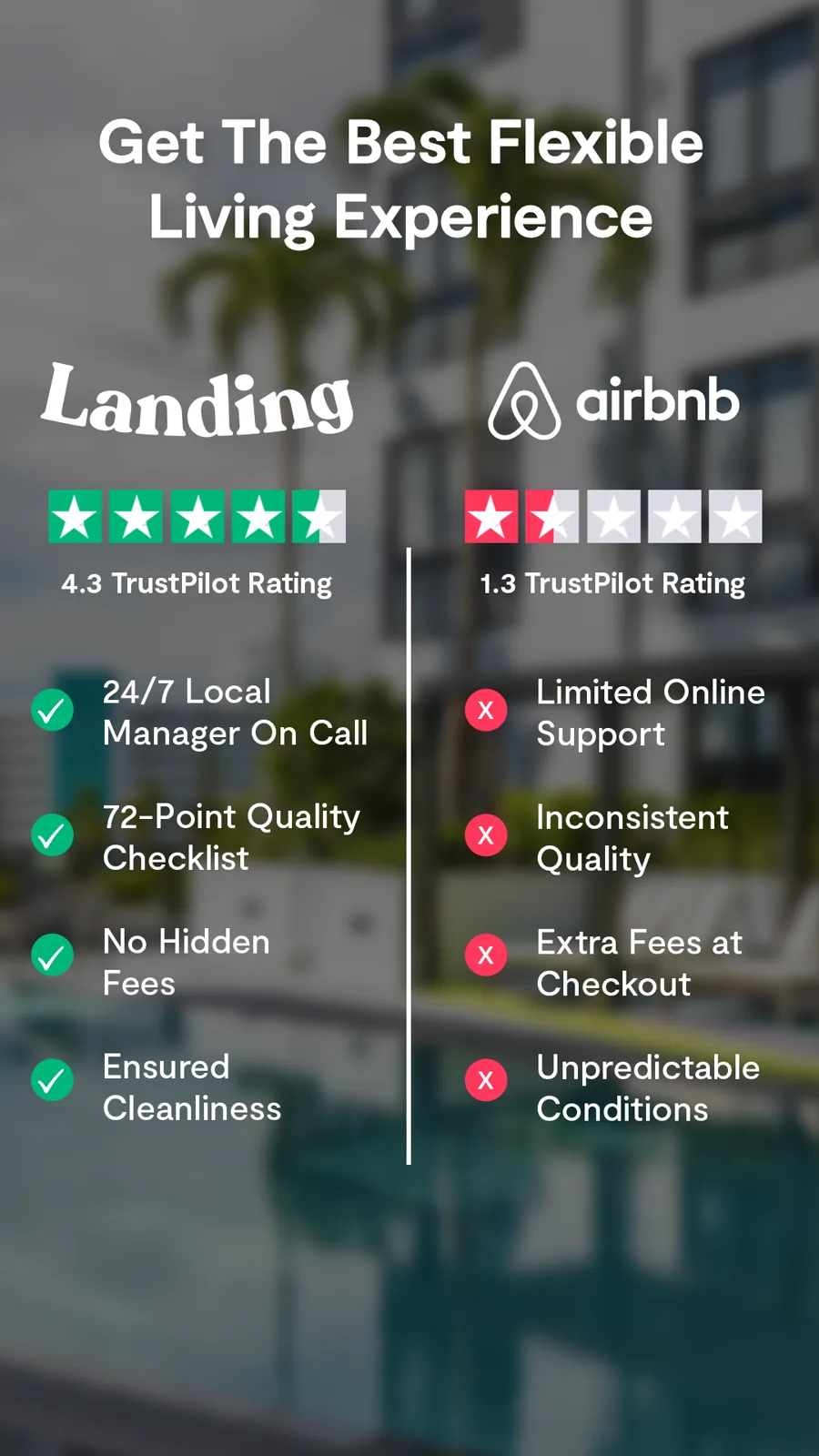
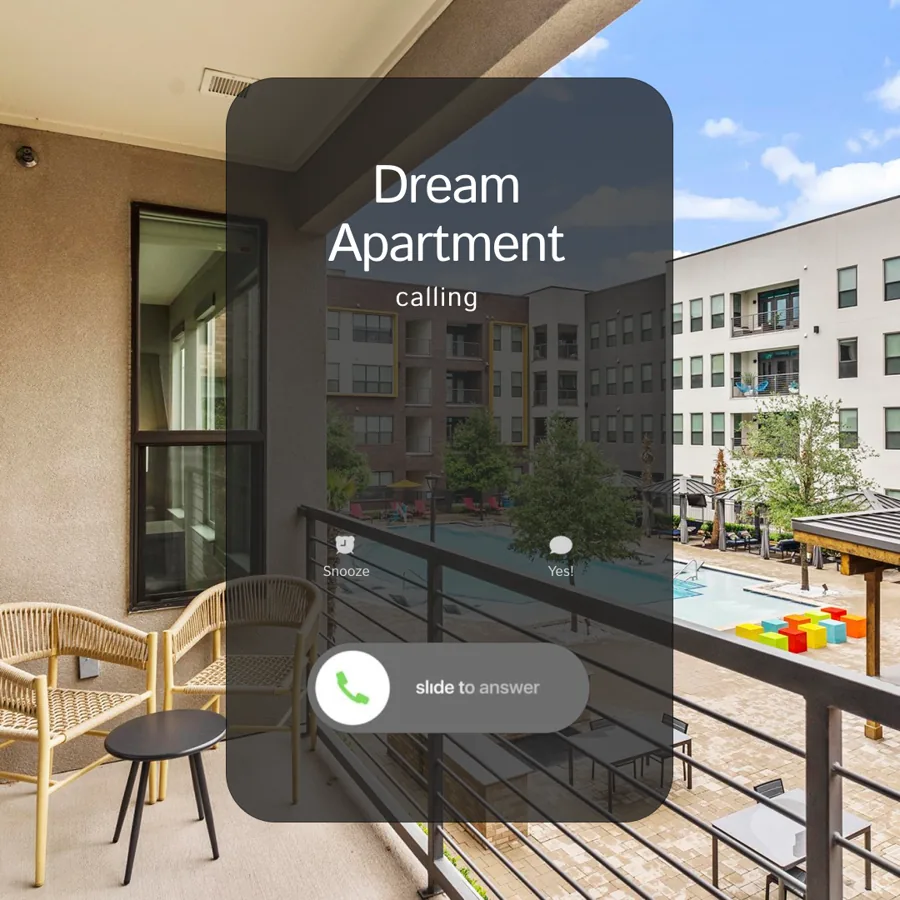
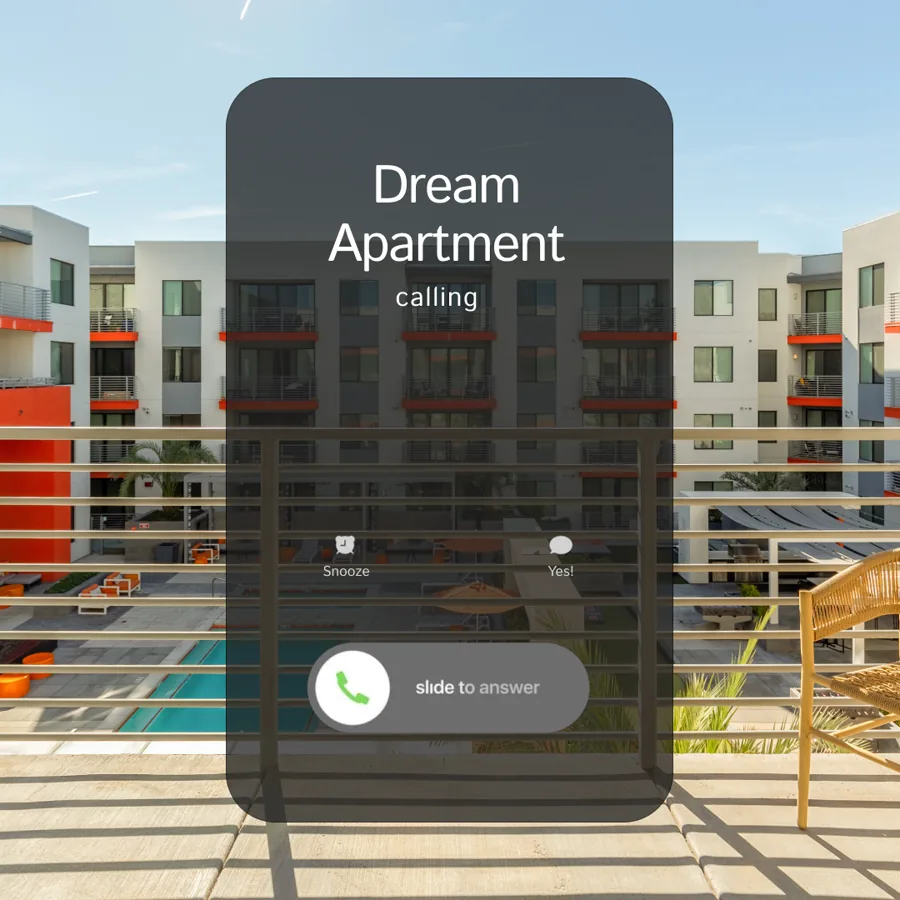
Every idea had to run in places that crop differently and are watched differently. Dragging the corners of a layout does not survive that. Each of these is one idea composed twice. The differences between the two compositions are the work this chapter shows.

Portrait, 20 seconds
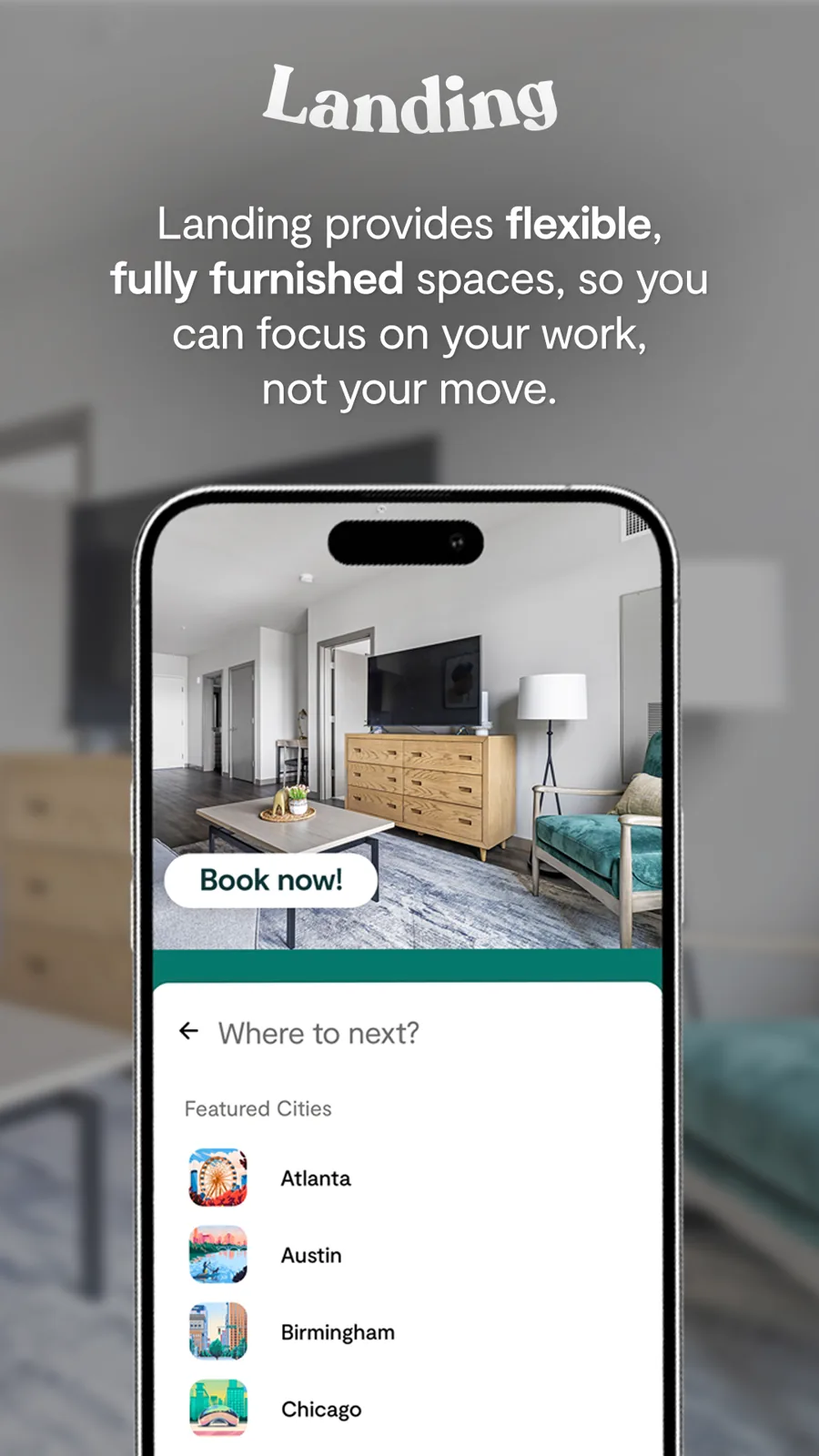
The wider crop keeps the room in shot, because the room is part of what is being sold.
Upright, 20 seconds
The upright gives up the room and keeps the face. Upright is watched close and usually without sound.
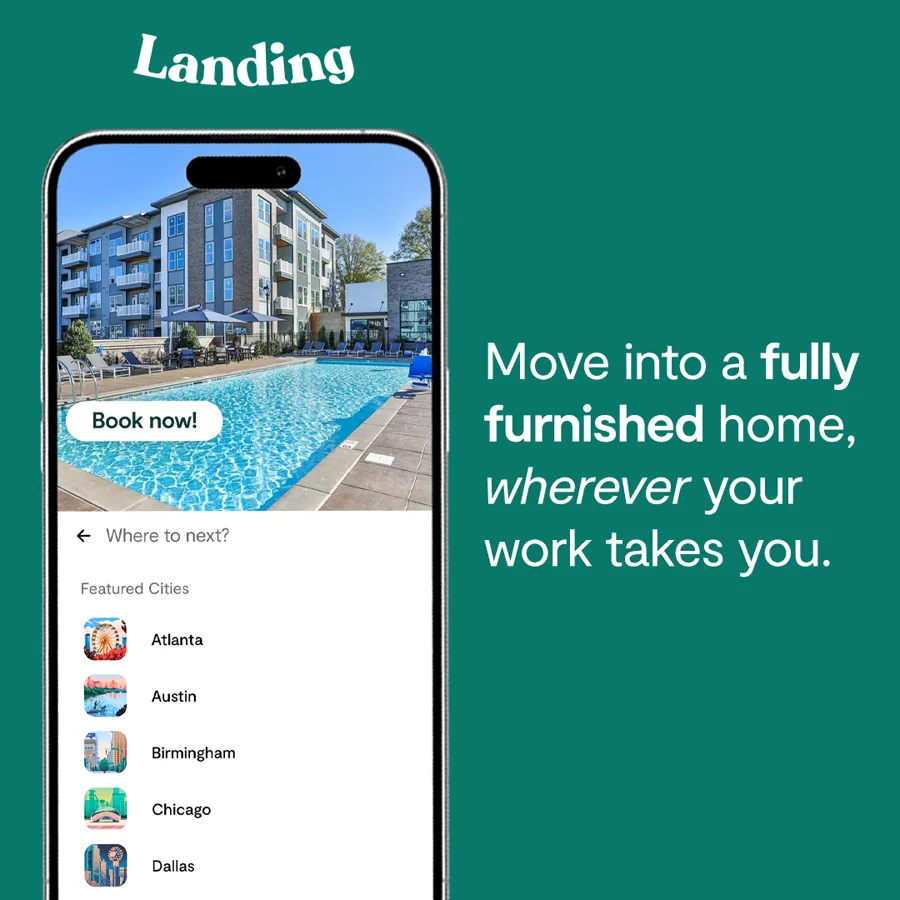
The square gives the pair of images room to sit beside each other. The upright cannot hold that. It stacks them and the eye travels instead of comparing. Same idea, composed twice.
Upright, 15 seconds
The short cut opens partway into a sentence and never sets anything up. It has one scroll to survive.
Upright, 51 seconds
The long cut can afford to pause. The pauses are where it is most convincing.
The long one earns its ending. The short one has to land the same thing before a thumb moves. The short one is a different edit with a different first second and cutting the long one down would not produce it.
How this works in my builds now
The sheet at the top is a specification and I did not know that at the time. A row of it says who has the problem, what the problem is and the one thing that resolves it. That is exactly what I write before I build a feature.
What carried over is the discipline of the second column. A worry with nothing specific against it becomes a question instead of work. Answering that question first is most of what stops me building the wrong thing.